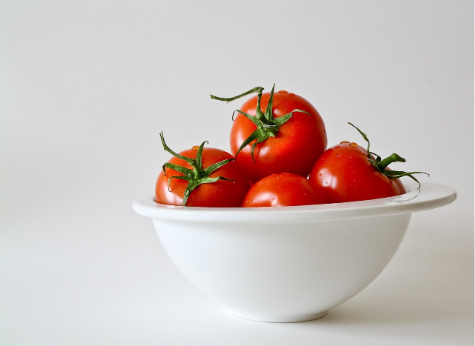
The Foundation: Understanding Safe Canning Practices for Tomatoes
There's nothing quite like the taste of homegrown, sun-ripened tomatoes, especially when you can enjoy that flavor long after the harvest season ends.
Canning tomatoes is a time-honored tradition that allows you to preserve the bounty of your garden, ensuring you have delicious, healthy ingredients for soups, sauces, and stews year-round. However, successful and safe home canning isn't just about sealing food in a jar; it requires adherence to specific, tested methods. This guide focuses on two critical steps for canning tomatoes safely and deliciously: peeling and acidification.
Whether you opt for water bath canning or pressure canning, the initial preparation of your tomatoes—including peeling and acidification—remains the same. The National Center for Home Food Preservation (NCHFP) provides extensively tested recipes and guidelines that are crucial for preventing foodborne illnesses. Before embarking on your canning journey, it's essential to familiarize yourself with your chosen canning equipment and ensure your jars are properly cleaned and prepared. While we won't delve deep into the processing methods here, understanding the foundational preparation is paramount.
The Essential Peel: Why & How to Blanch Tomatoes
Peeling tomatoes for canning isn't just about aesthetics; it's a vital step for both food safety and texture. Many new canners wonder, "Do I really need to peel tomatoes for canning?" The unequivocal answer is yes.
Why Peeling is Non-Negotiable
*
Food Safety: Tomato skins, despite their delicate appearance, can harbor bacteria and microorganisms. By removing the peel, you eliminate a potential source of contamination, ensuring the safety of your
canned tomatoes. All current, tested canning recipes and methods for tomatoes assume the tomatoes have been peeled. Skipping this step means you are altering a fundamental aspect of the tested process, potentially compromising the safety of your finished product.
*
Texture: Leaving the skins on can result in a tough, rubbery texture in your finished product, especially after the high heat of processing. Peeled tomatoes yield a far more desirable, tender consistency that blends beautifully into recipes.
*
Flavor Integration: Without the skins, your tomatoes will more readily absorb and meld with any seasonings or added acidity, leading to a richer, more integrated flavor profile.
Choosing the Best Tomatoes for Peeling
While you can peel any tomato, some varieties make the task easier and yield better results for
canning tomatoes. Paste tomatoes like Roma, San Marzano, or Amish Paste are often preferred because they are "meatier" with fewer seeds and less water content, making them ideal for sauces and diced canned products. Their skins also tend to slip off more easily after blanching. However, most garden varieties can be successfully peeled and canned following the correct method.
Step-by-Step Peeling and Coring
The most common and effective method for
peeling tomatoes for canning is blanching:
1.
Prepare an Ice Bath: Fill a large bowl with ice water and set it aside. This will stop the cooking process quickly after blanching.
2.
Boil Water: Bring a large pot of water to a rolling boil.
3.
Blanch the Tomatoes: Gently lower a few tomatoes at a time into the boiling water using a slotted spoon or a blanching basket. Do not overcrowd the pot.
4.
Watch for Splits: Leave the tomatoes in the boiling water for approximately 30-60 seconds, or until you see the skins begin to split. The exact time depends on the ripeness and type of tomato.
5.
Cool Quickly: Immediately transfer the blanched tomatoes from the boiling water to the ice bath. This shocks them, making the skin removal much easier and preventing them from cooking further.
6.
Peel and Core: Once cool enough to handle, slip the skins off the tomatoes. They should come off quite easily. At this point, also core the tomatoes. Coring involves removing the stem end and any tough, firmer portion directly beneath it. For some varieties, this might come off with the peel.
After peeling and coring, your tomatoes are ready to be prepared for the jars. You can leave small tomatoes whole or cut larger ones into halves, quarters, or chunks, depending on your desired final product.
The Critical Acidify: Ensuring Food Safety in Canned Tomatoes
After peeling, the next non-negotiable step in
canning tomatoes is acidification. This is paramount for food safety, especially concerning the risk of botulism.
Why Acidification is Crucial for Safe Canning
Tomatoes are generally considered "borderline" in terms of acidity. While some varieties might seem acidic, their pH levels can vary greatly depending on the variety, ripeness, growing conditions, and even the soil. To be safely canned using standard home canning methods (both water bath and pressure canning), tomatoes must have an acidity level (pH) below 4.6. Clostridium botulinum, the bacterium responsible for botulism, thrives in low-acid, oxygen-free environments—precisely the conditions created inside a sealed canning jar.
By adding an acid, you effectively lower the pH of the tomatoes, making them sufficiently acidic to inhibit the growth of botulinum spores. This step is non-negotiable, and all tested recipes for
safe canning tomatoes explicitly require it.
Acidification Options & Quantities
You have a few reliable options for
acidifying tomatoes for canning:
*
Bottled Lemon Juice: This is the most common and widely recommended method. Always use bottled lemon juice, not fresh-squeezed. Bottled lemon juice has a consistent, standardized pH level, ensuring reliable acidification.
* Add 2 Tablespoons of bottled lemon juice per quart jar.
* Add 1 Tablespoon of bottled lemon juice per pint jar.
*
Citric Acid: This is a crystalline powder also used for acidification. It has no discernible flavor, making it a good choice if you're sensitive to the taste of lemon.
* Add 1/2 teaspoon of citric acid per quart jar.
* Add 1/4 teaspoon of citric acid per pint jar.
*
Vinegar: While vinegar can also be used, it generally impacts the flavor more significantly than lemon juice or citric acid. If using vinegar, ensure it is at least 5% acidity.
* Add 4 Tablespoons of 5% vinegar per quart jar.
* Add 2 Tablespoons of 5% vinegar per pint jar.
Add your chosen acidifying agent directly to the empty jars before filling them with tomatoes. This ensures even distribution and prevents forgetting this critical step. If you do forget, you can add it on top of the tomatoes, gently removing a spoonful of tomatoes if necessary to prevent overfilling.
The Role of Salt: Optional but Recommended
Unlike acidification, adding salt to your
canned tomatoes is entirely optional and serves only for flavor. It is not required for safety.
* Add 1 teaspoon of canning salt per quart jar, if desired.
* Add 1/2 teaspoon of canning salt per pint jar, if desired.
If you are on a low-sodium diet, you can reduce or omit the salt without any safety concerns. However, many find that a little salt enhances the natural flavor of the tomatoes.
Packing Your Jars: The Raw Pack Method
With your tomatoes peeled, cored, and your jars prepped with acid and optional salt, it's time to pack your jars using the raw pack method. The raw pack method means you fill your jars with raw, unheated tomatoes. For more detailed instructions on this method, refer to
Raw Pack Tomatoes: Mastering Peeling, Acidification, & Filling Jars.
1.
Fill Jars with Tomatoes: Place the peeled, cored, and sliced (or whole, if small) tomatoes directly into the prepared jars.
2.
Release Juices: As you add tomatoes, press them down gently but firmly. This helps to release their natural juices, which will fill the spaces between the tomatoes. You do not add any extra water or liquid. The tomatoes will create their own packing liquid.
3.
Achieve Headspace: Continue filling and pressing until you reach a 1/2-inch headspace. This is the empty space between the top of the food and the rim of the jar. Proper headspace is crucial for a strong seal.
4.
Remove Air Bubbles: Use a non-metallic utensil (like a plastic spatula, chopsticks, or an orange peeler) to gently slide down the sides of the jar. This releases any trapped air bubbles. Re-check your headspace and add more tomatoes if necessary to maintain 1/2 inch.
5.
Wipe Rims: Carefully wipe the rims of each jar with a clean, damp cloth. Any food residue on the rim can prevent a proper seal.
6.
Apply Lids and Bands: Place the clean, warm lids on the jars, centering them. Screw on the bands finger-tight. Do not overtighten, as air needs to escape during processing.
Your jars are now ready for processing in either a boiling water bath or a pressure canner, depending on your altitude and recipe requirements. Following these precise steps for peeling and acidification ensures that your efforts result in safely preserved, delicious
canned tomatoes ready to elevate your culinary creations.
Conclusion
Mastering the art of
canning tomatoes begins with understanding and executing two fundamental steps: peeling and acidification. Peeling guarantees a safe and palatable product by eliminating potential bacteria and improving texture, while acidification is a non-negotiable safety measure against botulism, transforming tomatoes into a high-acid food suitable for home preservation. By meticulously following these guidelines, you not only preserve the vibrant taste of summer but also ensure the health and well-being of those who enjoy your homemade creations. Embrace the satisfaction of opening a jar of your own safely and deliciously preserved tomatoes, knowing you’ve laid the groundwork for countless flavorful meals.